Black Beans: Your Superfood Guide to Gut Health & More
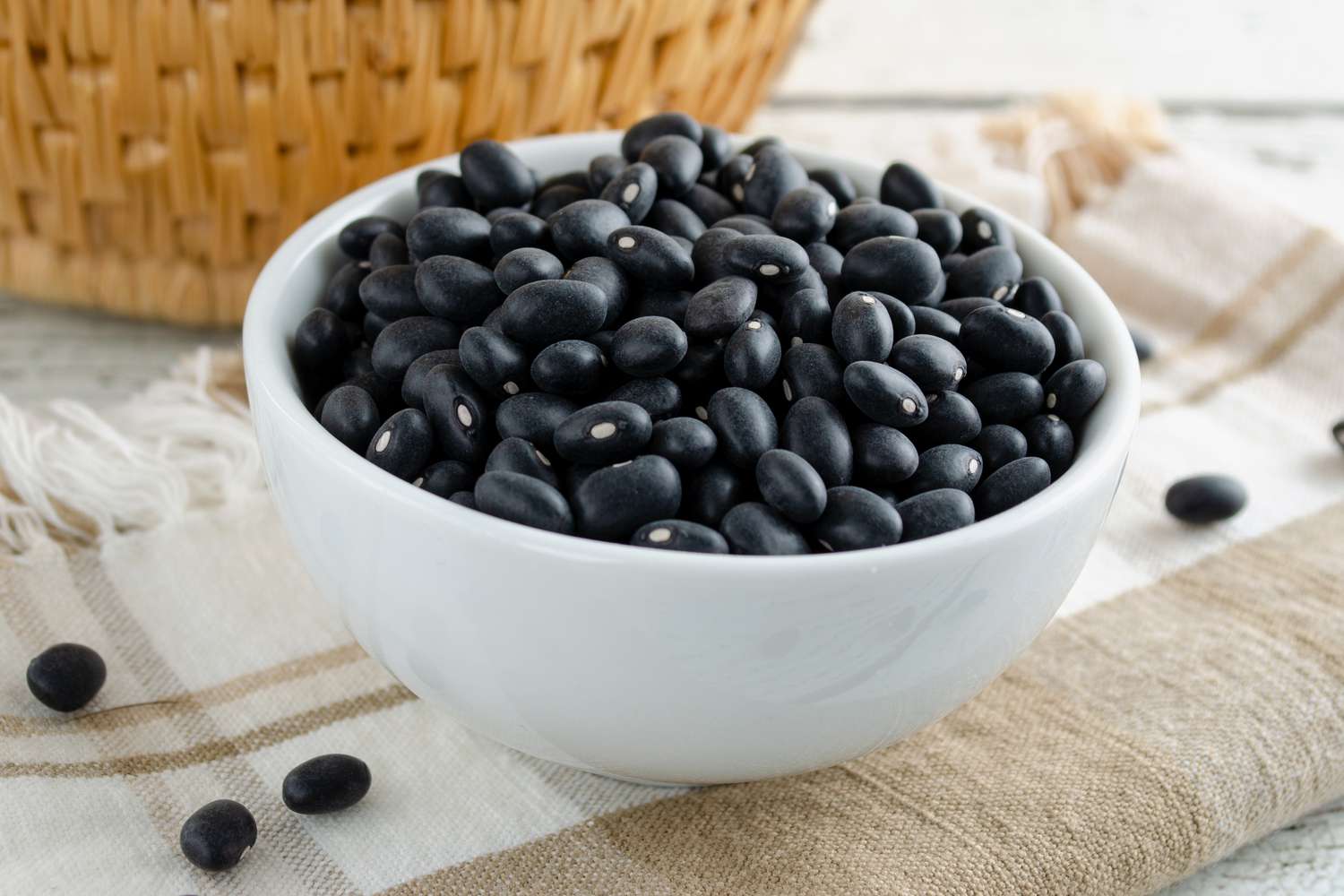
Often overlooked in the pantheon of celebrated superfoods, black beans are a true nutritional powerhouse deserving of a prime spot on your plate. These unassuming legumes, known also as turtle beans or frijoles negros, are a vibrant staple in Central and South American cuisines and a testament to the fact that healthy eating can be both delicious and incredibly affordable. Despite their name, the skin of a black bean often boasts a captivating deep purple hue, a visual hint at the rich array of beneficial compounds tucked within.
From supporting robust gut health to fighting inflammation and lowering disease risk, black beans offer a remarkable spectrum of benefits. They are incredibly versatile, shining in everything from hearty chilis and vibrant salads to creamy dips and savory side dishes, making them an easy and impactful addition to nearly any meal plan. Let's dive into why these humble beans are a superfood you can't afford to ignore.
A Nutritional Powerhouse You Can't Ignore
Registered dietitian Natalie Romito, RD, LD, aptly notes that we sometimes "overlook legumes when we talk about superfoods," yet black beans offer "noteworthy disease-fighting power." This isn't an exaggeration; a single cup of cooked black beans is a treasure trove of essential nutrients designed to bolster your health from the inside out.
Excellent Source of Plant-Based Protein
For those seeking robust plant-based protein sources, black beans are an absolute champion. A generous cup of cooked black beans delivers approximately 15 grams of protein, accounting for about 30% of the daily recommended value for many adults. While the protein in beans is considered "incomplete" (meaning it's lower in some key amino acids), this is easily remedied by consuming a varied diet throughout the day. Pairing black beans with grains like rice or quinoa, or other protein sources, ensures you get all the essential amino acids your body needs. Crucially, they offer this vital nutrient without the higher fat content often found in animal proteins.
Fiber-Rich: A Gut's Best Friend
Perhaps one of the most celebrated attributes of black beans is their extraordinary fiber content. They contain both soluble and insoluble fiber, each playing a crucial role in maintaining digestive health and overall well-being. A half-cup serving alone can provide around 8 grams of fiber, contributing significantly to the recommended 28 grams for a 2,000-calorie diet. This dual-fiber dynamic is a key reason why black beans are so impactful for your digestive system. To delve deeper into how these components work together, explore The Black Bean Powerhouse: Protein, Fiber, and Antioxidants.
Antioxidant-Rich & Full of Phytonutrients
Beyond protein and fiber, black beans are packed with an impressive array of antioxidants, vitamins, minerals, and phytochemicals. These include notable compounds like anthocyanin (which gives them their deep color) and quercetin. These vital chemicals work synergistically to protect your cells, fight inflammation, support detoxification processes, and reduce the risk of various diseases. They are truly a holistic package of health-promoting compounds.
Fueling Your Gut: The Digestive Delights of Black Beans
When it comes to digestive health, registered dietitian Romito states that "black beans are a gold mine of nutrients for your gut," and that "not many individual foods have as many digestive benefits as black beans." This isn't hyperbole; the unique combination of soluble and insoluble fiber found in black beans makes them exceptionally powerful for supporting a healthy digestive system.
The Power of Dual Fiber
- Soluble Fiber: This type of fiber dissolves in water, forming a gel-like substance in your gut. It helps to slow down digestion, which aids in regulating blood sugar levels by preventing rapid spikes after meals. Soluble fiber also plays a crucial role in managing cholesterol by "trapping" it during digestion, preventing its absorption and promoting its elimination from the body.
- Insoluble Fiber: Unlike its soluble counterpart, insoluble fiber does not dissolve in water. Instead, it adds bulk to your stool, facilitating smoother and more regular bowel movements. This helps prevent constipation and ensures waste is efficiently moved through the digestive tract, contributing to detoxification.
Nourishing Your Microbiome
The fiber in black beans acts as a prebiotic, serving as food for the beneficial bacteria residing in your gut. A thriving gut microbiome is fundamental to overall health, influencing everything from immune function and nutrient absorption to even mood regulation. By fostering a diverse and healthy population of gut bacteria, black beans indirectly support a stronger immune system and better nutrient utilization.
Managing Digestive Comfort
While the fiber in black beans is incredibly beneficial, some individuals might experience initial gas or bloating as their digestive system adjusts to an increased fiber intake. This is a common and usually temporary side effect as your gut microbiome adapts. To minimize discomfort, try these practical tips:
- Start Slow: Gradually introduce black beans into your diet, starting with smaller portions.
- Soak & Rinse: If cooking from dried beans, soaking them overnight and rinsing thoroughly before cooking can help reduce gas-producing compounds. For canned beans, always rinse them well under cold water before use.
- Cook Thoroughly: Ensure beans are fully cooked to aid digestion.
- Hydrate: Drink plenty of water when increasing fiber intake to help the fiber move smoothly through your system.
Beyond Digestion: Widespread Health Benefits of Black Beans
While their digestive prowess is significant, the benefits of black beans extend far beyond the gut, offering broad protection against various chronic diseases.
Antioxidant Arsenal: Fighting Free Radicals
Black beans are replete with antioxidants that combat free radicals – unstable molecules that can cause oxidative stress and cellular damage, accelerating aging and contributing to numerous serious health conditions. Key antioxidants like anthocyanin (responsible for their deep color) and quercetin are particularly effective. By neutralizing these harmful free radicals, black beans help keep your organs healthy, happy, and functioning optimally.
Inflammation & Disease Prevention
Chronic, harmful inflammation is a root cause of many prevalent diseases, including arthritis, heart disease, and diabetes. The rich phytonutrient profile of black beans, especially their antioxidants, plays a critical role in reducing this inflammation. Quercetin, in particular, has been shown to be highly effective, capable of fighting inflammation-causing proteins like cytokines and enzymes that activate the immune system. It even blocks histamine, which is involved in allergic responses. Impressively, one study highlighted in the reference context found that consuming 1 cup of black beans daily reduced the level of a specific cytokine by approximately 25% over 12 weeks. This anti-inflammatory power directly contributes to lowering your risk of chronic illnesses. For a deeper dive into their disease-fighting capabilities, discover how Unlock Benefits: Black Beans Fight Inflammation & Cancer Risk.
Heart Health Helper: Cholesterol & Blood Pressure
The fiber in black beans is a formidable ally for cardiovascular health. As mentioned, soluble fiber helps to lower cholesterol by binding to it in the digestive tract, preventing its absorption and facilitating its excretion. Furthermore, black beans are rich in polyphenols, a class of antioxidants that also contribute to lowering low-density lipoprotein (LDL) cholesterol, often referred to as "bad" cholesterol. Beyond cholesterol, the fiber and other beneficial compounds in black beans can contribute to better blood pressure regulation, rounding out their significant impact on heart health.
Incorporating Black Beans into Your Diet: Practical Tips
Embracing black beans into your regular diet is simple due to their incredible versatility and affordability. Here are some practical ways to enjoy them:
- Soups & Stews: Add a can (rinsed!) or a cup of cooked black beans to enhance the protein and fiber content of your favorite soups, chilis, or stews.
- Salads: Toss cooled black beans into green salads, grain salads, or create a refreshing black bean and corn salsa.
- Tacos & Burritos: They make an excellent meat substitute or extender in tacos, burritos, and quesadillas.
- Dips & Spreads: Mash them with some garlic, lime juice, and spices for a healthy dip, or blend them into a creamy black bean hummus.
- Side Dishes: Serve them seasoned with cumin, cilantro, and lime as a flavorful side dish for almost any meal.
- Breakfast Bowls: Try a savory breakfast bowl with black beans, avocado, and a fried egg.
Whether you choose dried beans (remember to soak them overnight for best results) or convenient canned varieties (always rinse them thoroughly to reduce sodium), making black beans a regular part of your meals is an easy step towards a healthier lifestyle. Their mild flavor makes them a fantastic canvas for various spices and culinary styles.
Conclusion
From their origins in Central and South America to their status as an affordable, versatile, and nutrient-dense food, black beans truly live up to their superfood reputation. They are a digestive powerhouse, packed with both soluble and insoluble fiber that feeds your gut microbiome and supports regularity. Beyond gut health, their abundance of plant-based protein, potent antioxidants like anthocyanin and quercetin, and vital phytonutrients work in harmony to fight inflammation, reduce the risk of chronic diseases like cancer and heart disease, and support overall cellular health. By making black beans a consistent feature in your diet, you're investing in a simple, delicious, and impactful way to nurture your body and boost your well-being for years to come.
