The Black Bean Powerhouse: Protein, Fiber, and Antioxidants
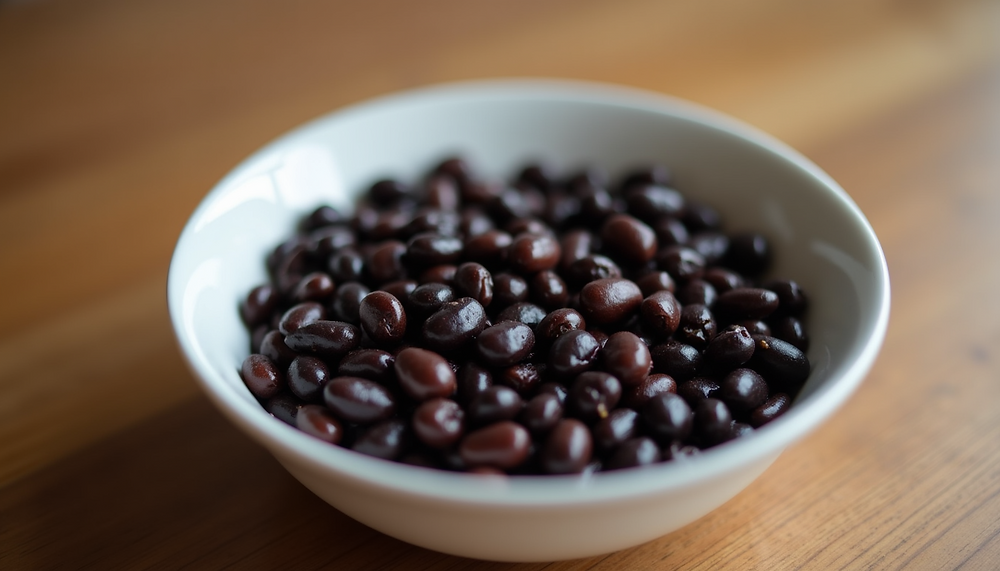
Often overlooked in the pantheon of "superfoods," the humble black bean is a true nutritional marvel, quietly offering a treasure trove of health benefits. These dark, glossy legumes, also affectionately known as turtle beans or frijoles negros, are a dietary staple in countless cultures, particularly native to Central and South America. More than just a versatile and inexpensive ingredient, black beans are bursting with an impressive array of nutrients that play a pivotal role in reducing cancer risk, improving heart health, aiding digestion, and fighting systemic inflammation. Despite their name, their skin boasts a rich, deep purple hue, hinting at the powerful compounds within. Let's delve into why these modest beans deserve a starring role in your regular meal plan.
Beyond the Bean: Unpacking the Nutritional Riches of Black Beans
Black beans are a nutritional goldmine, packing essential macronutrients and micronutrients into every serving. Their exceptional profile makes them a cornerstone of healthy eating, especially for those seeking plant-based options.
Protein Power: Fueling Your Body Naturally
For anyone looking to increase their protein intake, particularly from plant sources, black beans are an outstanding choice. A single cup of cooked black beans delivers an impressive 15 grams of protein, accounting for approximately 30% of the daily recommended value for many adults. If you opt for a half cup of cooked, canned black beans, you'll still get a substantial 7 grams. Protein is fundamental to virtually every bodily function, from building and repairing tissues to producing enzymes and hormones.
While it's true that the protein in beans is often referred to as "incomplete" because it's slightly lower in certain essential amino acids compared to animal proteins, this is easily remedied. By simply pairing black beans with other plant-based foods throughout your day – such as rice, quinoa, nuts, or seeds – you create a complete protein profile, ensuring your body gets all the amino acids it needs. Plus, black beans offer this crucial nutrient without the higher fat content often found in animal proteins, making them a heart-healthy alternative.
Fiber Fortification: The Gut Health Guardian
Perhaps one of the most celebrated attributes of black beans is their incredible fiber content. They are an excellent source of both soluble and insoluble fiber, each playing a vital role in your digestive health and overall well-being. A mere half cup of cooked black beans provides about 8 grams of fiber, contributing significantly to the recommended daily intake of approximately 28 grams for a 2,000-calorie diet.
Here's how this fiber powerhouse works its magic:
*
Promotes Gut Health: Fiber acts as a prebiotic, feeding the beneficial bacteria in your gut microbiome. A thriving gut flora is crucial for digestion, nutrient absorption, and even immune function. For a deeper dive into how black beans support your digestive system, check out our article:
Black Beans: Your Superfood Guide to Gut Health & More.
*
Aids Digestion and Waste Elimination: Insoluble fiber adds bulk to stool, facilitating smooth bowel movements and preventing constipation. Soluble fiber, on the other hand, forms a gel-like substance in the digestive tract, which can help slow down digestion.
*
Regulates Blood Sugar: The soluble fiber helps slow the absorption of sugar into the bloodstream, preventing rapid spikes and crashes, which is particularly beneficial for managing and preventing diabetes.
*
Manages Cholesterol Levels: Soluble fiber binds to cholesterol in the digestive tract, trapping it before it can be absorbed into the bloodstream and assisting in its elimination. This mechanism can significantly help in lowering LDL ("bad") cholesterol.
*
Supports Blood Pressure: The combined effects of fiber and other nutrients in black beans contribute to overall cardiovascular health, including maintaining healthy blood pressure levels.
The Disease-Fighting Arsenal: Antioxidants and Phytonutrients
Beyond their foundational macronutrients, black beans are loaded with an impressive array of disease-fighting compounds known as antioxidants and phytonutrients. These potent chemicals are your body's frontline defense against cellular damage and chronic illness.
Antioxidant Abundance: Protecting Your Cells
Black beans are rich in antioxidants that combat the harmful effects of free radicals. Free radicals are unstable molecules that, when present in excessive amounts, can cause oxidative stress, leading to accelerated cellular aging and contributing to the development of numerous serious conditions, including heart disease and certain cancers.
Among the specific antioxidants found in black beans are:
*
Anthocyanin: This pigment is responsible for the deep purple color of the bean's skin and is a powerful antioxidant, often found in berries and other dark-colored fruits and vegetables.
*
Quercetin: A well-researched flavonoid, quercetin is a potent antioxidant with significant anti-inflammatory properties.
*
Polyphenols: A broad category of plant compounds, polyphenols contribute to black beans' antioxidant capacity and overall health benefits.
Consuming enough antioxidants through your diet is crucial for keeping your organs functioning optimally and maintaining overall cellular health.
Inflammation Intervention: Calming the Body's Fire
Chronic, low-grade inflammation is a silent aggressor, contributing to a host of debilitating conditions such as arthritis, heart disease, diabetes, and certain autoimmune disorders. Black beans, with their rich supply of phytonutrients, offer a natural way to mitigate this harmful inflammation.
Quercetin, in particular, stands out for its remarkable anti-inflammatory capabilities. It works by:
*
Fighting Inflammation-Causing Proteins: Quercetin can help inhibit inflammatory proteins like cytokines and enzymes that activate the immune system's inflammatory response.
*
Blocking Histamine: It also plays a role in blocking histamine, a compound involved in allergic responses and inflammatory processes.
Studies have even shown tangible results, with one demonstrating that daily consumption of 1 cup of black beans reduced levels of a specific inflammatory cytokine by approximately 25% over 12 weeks. To learn more about how black beans specifically target inflammation and reduce cancer risk, explore our detailed article:
Unlock Benefits: Black Beans Fight Inflammation & Cancer Risk.
Black Beans for a Healthy Gut and Beyond
The comprehensive nutrient profile of black beans makes them an indispensable food for maintaining a healthy digestive system and offering broader protective effects against chronic diseases.
A Goldmine for Gut Health
As registered dietitian Natalie Romito, RD, LD, notes, "Black beans are a gold mine of nutrients for your gut. Not many individual foods have as many digestive benefits as black beans." This is largely due to their high fiber content, which not only aids in regular bowel movements but also acts as a fuel source for beneficial gut bacteria. A balanced and diverse gut microbiome is linked to improved digestion, enhanced nutrient absorption, a stronger immune system, and even positive impacts on mood and cognitive function via the gut-brain axis. Regular consumption of black beans can significantly contribute to fostering this internal ecosystem.
Lowering Cancer Risk
The combined synergy of vitamins, minerals, fiber, and phytochemicals in black beans creates a powerful defense against various cancers. These nutrients work harmoniously to:
*
Reduce Inflammation: By combating chronic inflammation, black beans help prevent a known precursor to cancer development.
*
Support Detoxification: Certain compounds assist the body's natural detoxification pathways, helping to eliminate harmful substances.
*
Promote Cell Health: Antioxidants protect cells from damage that can lead to cancerous mutations, while fiber supports healthy cell turnover in the gut.
This multi-faceted approach makes black beans an invaluable addition to a cancer-preventative diet, reinforcing their status as a true superfood.
Practical Tips for Incorporating Black Beans into Your Diet
One of the greatest advantages of black beans, beyond their health benefits, is their incredible versatility and affordability. They can effortlessly be woven into almost any meal, hot or cold, making them a practical choice for everyday eating.
Here are some tips to make black beans a regular part of your diet:
*
Soups and Stews: Add canned or cooked dried black beans to your favorite chili, tortilla soup, or vegetable stews for added bulk, protein, and nutrients.
*
Salads: Toss them cold into green salads, grain bowls, or create a refreshing black bean and corn salsa.
*
Main Dishes: Use them as a base for vegetarian burgers, a filling for tacos and burritos, or as a side dish seasoned with your favorite spices. They pair wonderfully with rice and quinoa.
*
Breakfast: Try a savory breakfast bowl with black beans, eggs, avocado, and salsa.
*
Snacks: Blend them into a creamy, nutritious dip like hummus, or roast them for a crunchy snack.
Preparation Pointers: Canned vs. Dried & Digestive Comfort
*
Canned Beans: Opt for low-sodium varieties and always rinse them thoroughly under cold water before use. Rinsing helps reduce excess sodium and can also minimize potential digestive discomfort.
*
Dried Beans: While they require more preparation (soaking overnight and cooking), dried black beans are generally more economical and allow you to control the sodium content completely. Soaking dried beans also helps break down some of the complex sugars that can cause gas.
*
Managing Gas and Bloating: If you're new to a high-fiber diet, introduce black beans gradually. Soaking and thoroughly rinsing beans can help. Cooking them with herbs like epazote or cumin is also traditionally thought to aid digestion. Your body will likely adjust over time as your gut microbiome adapts.
Conclusion
The black bean is undeniably a powerhouse of nutrition, offering an impressive blend of protein, fiber, and potent antioxidants. From bolstering gut health and regulating blood sugar and cholesterol to actively fighting inflammation and reducing the risk of chronic diseases like cancer and heart disease, its benefits are far-reaching. Affordable, versatile, and delicious, black beans are more than just a pantry staple – they are a key ingredient for a healthier, more vibrant life. By regularly incorporating these humble legumes into your meals, you're making a simple yet significant investment in your long-term well-being.